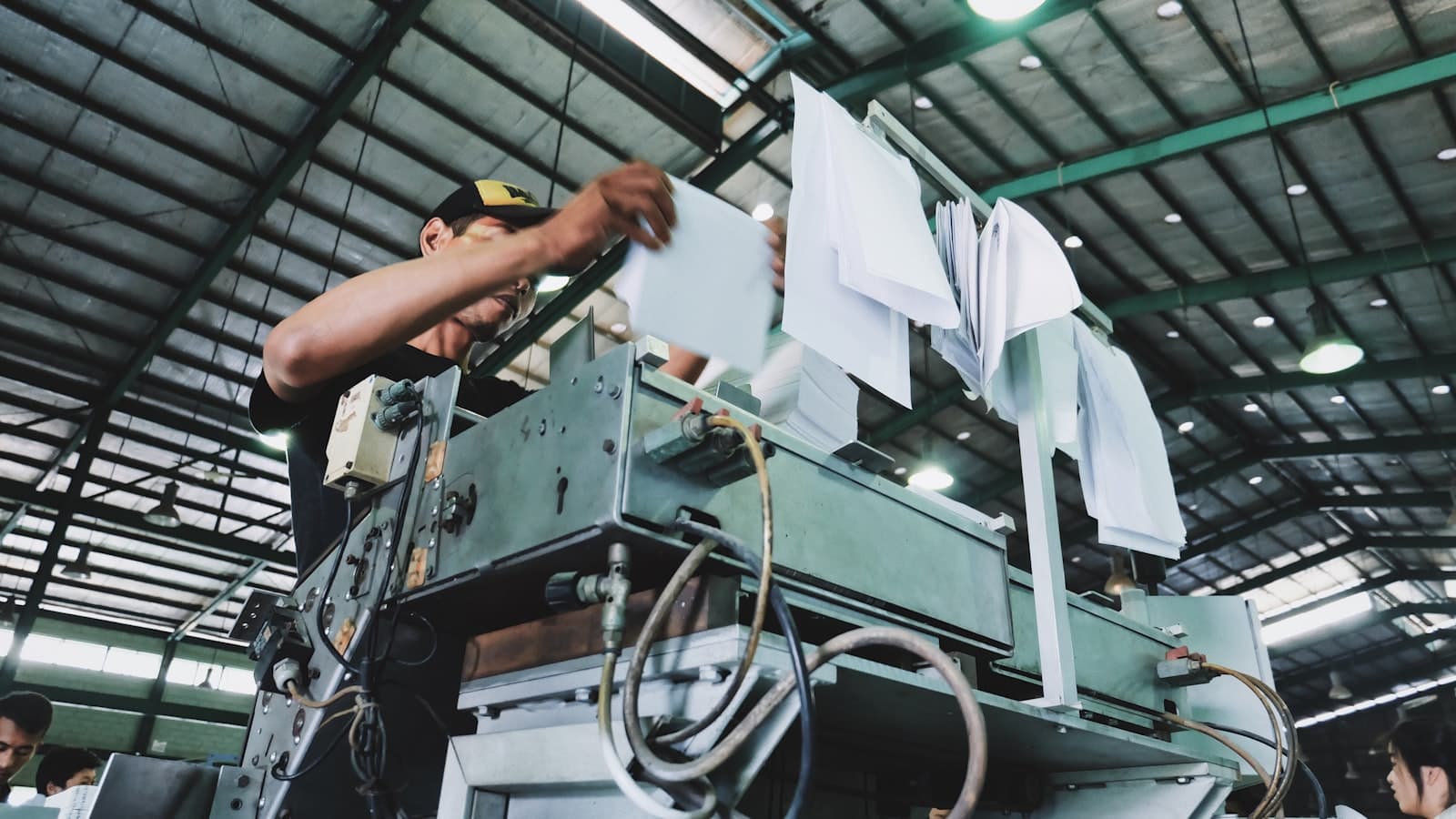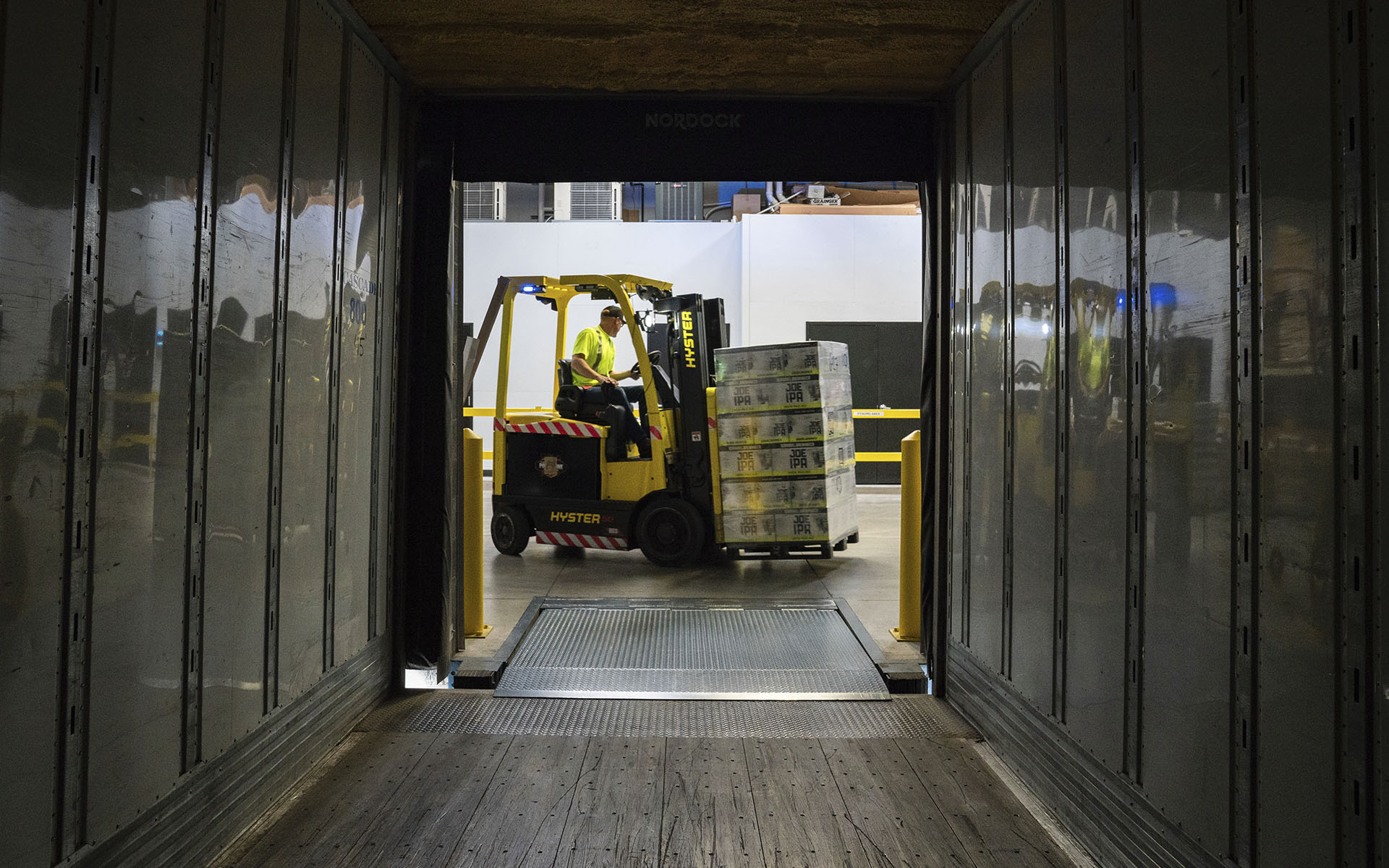
A batching plant is nearly always an assembly of machinery: silos, weighing equipment, mixers, conveyors and an overarching control system, delivered by different parties and joined together on site. That is exactly the situation the rules on assemblies are written for, and the one most often handled as though it were not.
What keeps coming up in the concrete industry
- Batching plants assembled from part deliveries, becoming one machine somebody has to CE mark.
- Precast lines with moulds, casting beds and lifting in the same flow — and lifting equipment has requirements of its own.
- Overarching control systems that govern safety functions in several sub-machines.
- Rebuilds of older plants, where the original documentation is often missing.
- Dust, heavy lifting and access for cleaning, all of which end up in the risk assessment.
Partly completed machinery must not be CE marked
Part deliveries to a plant often arrive as partly completed machinery, with assembly instructions and a declaration for incorporation — not with a CE mark. A CE mark on such a delivery is a sign that somebody has misunderstood their role.
Questions from the concrete industry
- We bought a complete plant from one supplier. Are we done?
- If the supplier delivered and CE marked the whole, and you have added nothing, the manufacturer's duties sit with them. If you have added your own equipment or connected the plant into an existing flow, the picture changes.
- The old plant has no technical file. What do we do?
- For a machine lawfully put into service under earlier rules, those rules are what applied. Modify it substantially, however, and producing the documentation for the modified machine becomes your job — and then you need to know what is enough.
The course for the concrete industry
The rules with the batching plant's and the precast line's own examples.
See the courses