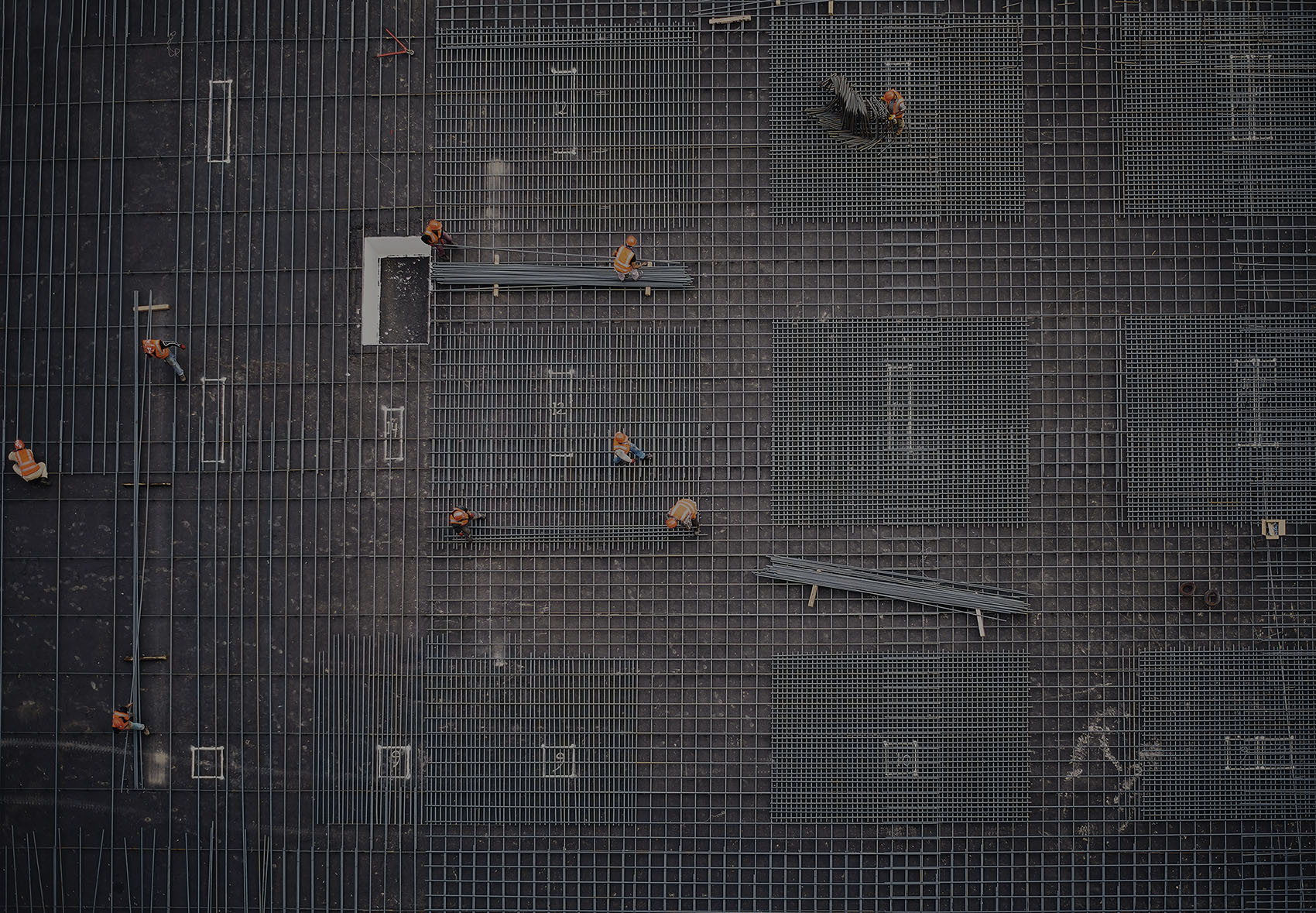
Two questions answered in different places
Whether the machine may be placed on the market is settled by the Machinery Regulation and written in the technical file. Whether the work may be carried out the way it is carried out is settled by the work environment rules and written in the risk assessment on site. A compliant machine can be used in a way that is not allowed, and a well-considered method does not make an unmarked machine lawful.
Where the two meet
The lift
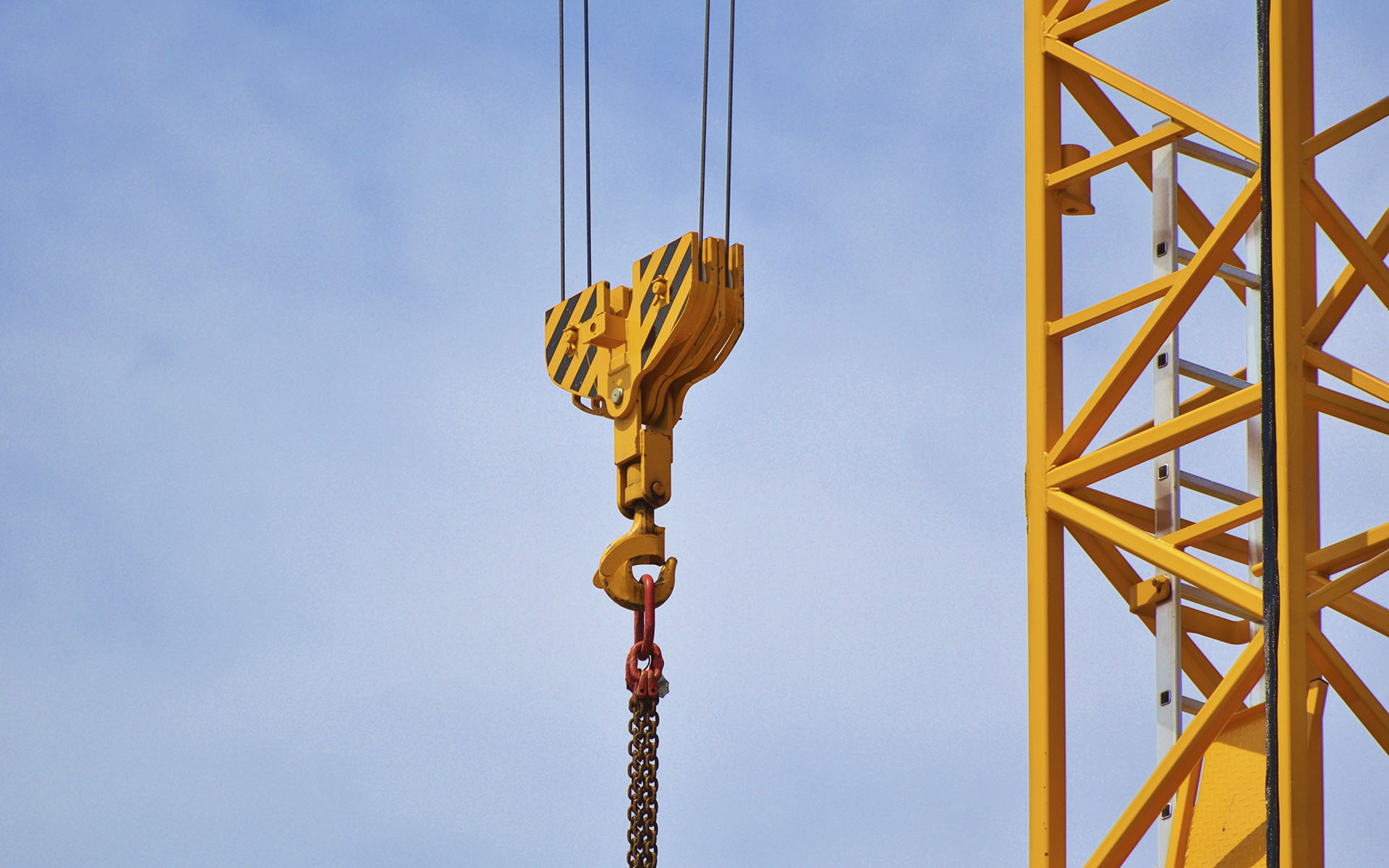
The lifting appliance and the accessories are products with requirements of their own. That the load is slung correctly, that the signals are agreed and that nobody is standing under it is the work environment half of the same lift.
The excavation
No machine makes an excavation safe. Slope angle, shoring and where the excavator may stand are judgements made on site, with the soil and the weather as the conditions.
The zone
In an explosive atmosphere the zone classification decides what equipment may be there. The requirement lands on the equipment and on the method at the same time, and the same document governs both.
The road
A road works site is a workplace the public drives straight through. The client's competence requirements apply to everyone working there, including the person who is on site for an hour.
The questions that decide who here needs what
- Who goes inside the machine to clean, change over or trace a fault, and what state is it in when they do?
- Who slings the load when something is lifted, and who gives the signals?
- Which operations are carried out in or next to a classified zone?
- Which work happens outside the fence, on or beside a road carrying traffic?
- Who has been assigned work environment tasks, and does that person know it?
A rebuild changes both sets of rules
That a substantial modification makes you the manufacturer is the part of the question this site mostly deals with. But the rebuild also changes the work: new states, new guards, new steps during maintenance. That part is not caught by a new declaration of conformity but by a new risk assessment on the floor, and by the people who run the machine being told what changed before they do.
Common questions
- Is a CE marked machine not enough?
- No. The CE marking says the machine meets the requirements as a product when it is placed on the market. The employer's duties start there: that it is used for what it is meant for, that it is maintained, and that whoever runs it knows how.
- We are a subcontractor working on a client's site. Whose rules apply?
- Both. You answer for your own people, and whoever controls the workplace answers for the coordination between you and everyone else there. In practice that means the client states what your people have to have taken, and checks it before you are let in.
- Which course should we start with?
- The one matching the work that is done most often and where the consequence is worst if it goes wrong. In workshops and civil works that is usually lifting or excavation; in process industry with flammable substances it is the zone classification.
See the work environment courses
The courses are bought as licences for the organisation and handed out when you know who is going.
See the courses